Frederick Douglass
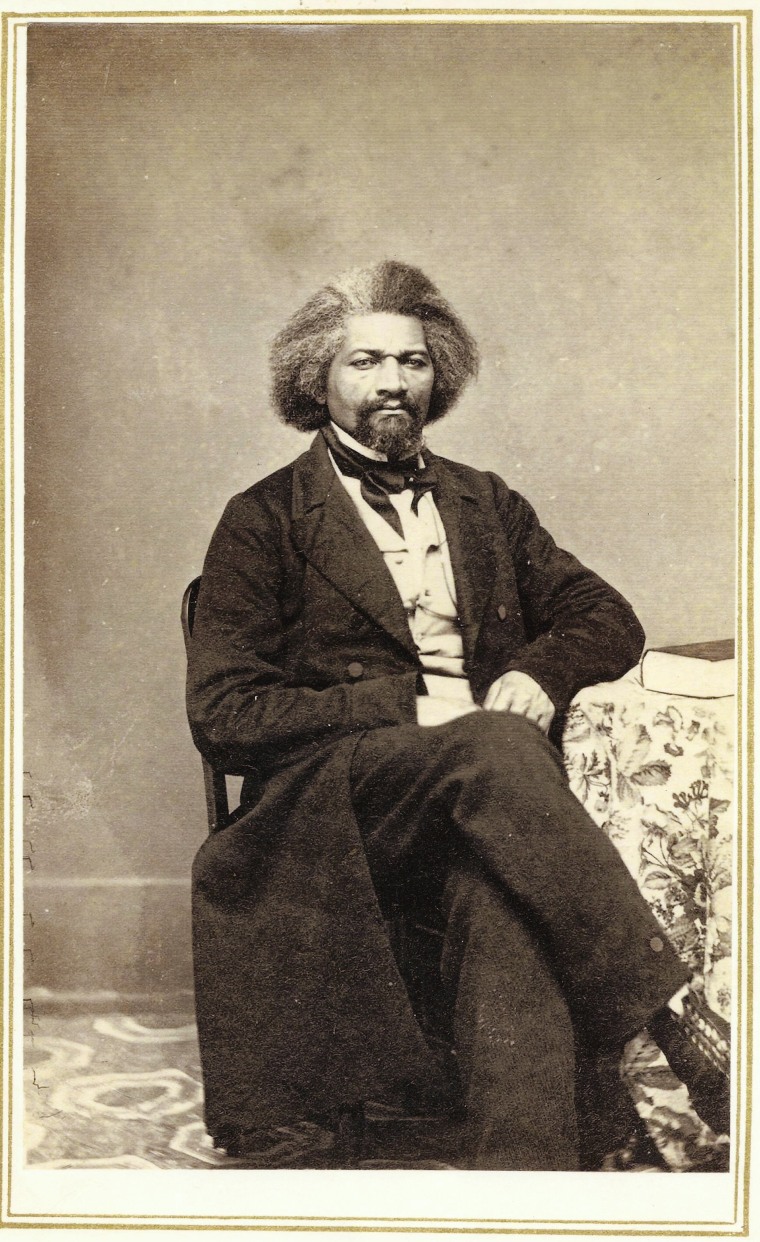
Frederick Douglass was one of the most powerful voices for freedom and equality in American history. Born into slavery in Maryland around 1818 (Wikipedia), Douglass rose from bondage to become a renowned author, orator, and leader of the abolitionist movement. His story is one of courage, intellect, and the relentless pursuit of justice.
From slavery to self-liberation
Douglass spent the early years of his life enslaved on plantations in Maryland. He secretly taught himself to read and write — a dangerous act at the time — because he understood that literacy was the key to freedom. In 1838, disguised as a sailor, he escaped to the North using borrowed identification papers. Once free, he began working with other abolitionists and quickly became one of the most sought-after speakers in the country (National Park Service).
His first autobiography, Narrative of the Life of Frederick Douglass, an American Slave (1845), revealed the brutal realities of slavery and became a bestseller in both the U.S. and Europe. The book was so influential that it helped fuel the abolitionist movement across the Atlantic world.
A voice for equality and reform
Douglass didn’t stop at ending slavery — he was equally passionate about the fight for universal human rights. He supported women’s suffrage and was one of the few men to attend the historic Seneca Falls Convention in 1848. There, he argued that denying women the right to vote was as unjust as slavery itself (History.com).
He also used his newspaper, The North Star, to advocate for justice and equality for all, declaring:
“Right is of no sex—Truth is of no color—God is the Father of us all, and we are all brethren.”
Throughout his life, Douglass advised presidents and pushed for reforms that extended beyond race — including education, fair labor, and justice for marginalized groups. His moral clarity and eloquence made him one of the most respected voices of the 19th century.
Legacy and inspiration
After the Civil War, Douglass continued to serve his country in public office, including as U.S. Marshal for the District of Columbia and Minister to Haiti. He remained a symbol of hope and progress until his death in 1895. His writings and speeches continue to resonate today, reminding us that freedom and equality require constant vigilance and courage.
Douglass once said:
“If there is no struggle, there is no progress.”
Those words still ring true. His life teaches us that change doesn’t come easily — it must be demanded, defended, and lived every day.
For more about Frederick Douglass’s extraordinary journey and impact, visit the Frederick Douglass National Historic Site or read his autobiography online.
Ai Disclaimer: I used chatgpt to research, format, and write this blog post. After it was written I went in and polished some things up. I also made sure to fact check everything and check sources for creditibility.


No comments:
Post a Comment